
Static Ads: What They Are, With Real Examples
Static ads are single-image ads: one picture, no motion, no sound. This guide shows what that means in practice, with real static ads that were running on Facebook and Instagram on November 14, 2026, and the 4 static ad formats Upadz makes most, with real examples for a tumbler, a greens drink and more. Then the sizes Meta recommends and how to make your own.
Updated
The short answer
A static ad is an ad made of one still image: a product photo, a headline, sometimes an offer or a review, and a button. It does not move or play sound, so the message has to land in the second it takes to scroll past. On Meta, the recommended feed size is a 4:5 image of 1440 × 1800 pixels.
Static is the opposite of video (it does not move) and of dynamic (it shows the same image to everyone, instead of products picked for each viewer from a catalog).
How to make a static ad in 5 steps
Pick one buyer and one message
Write down who the ad is for and the single reason they should buy. A static ad has room for one idea; a second one halves the first.
Write the headline before the design
Six to ten words on the image, large enough to read on a phone. Facebook Feed recommends a 27-character headline under the image, so keep that line short too.
Choose a format people already know
Problem-solution, us vs them, listicle, benefit callout: a familiar layout is understood before it is read. See the examples below.
Put proof in the frame
A review count, a guarantee, a price, an ingredient or a result. Use only real numbers you can show if someone asks.
Make several versions and test them
Same product, different formats or headlines. Run three or four side by side and keep the one with the lowest cost per sale.
Static ads vs dynamic ads vs video ads
| Criteria | Static ad | Dynamic ad | Video ad |
|---|---|---|---|
| What it is | One fixed image, the same for everyone | Images built from a product catalog, chosen for each viewer | A moving clip, usually with sound or captions |
| What you design | The whole image | A template; the products fill it | A script, footage and an edit |
| On Meta | Image ads in Feed, Stories and other placements | Ads with product media (formerly Advantage+ catalog ads) | Video ads in Feed, Stories and Reels |
| Time to make | Minutes to hours | Setup once (catalog and pixel), then automatic | Hours to days |
| Best for | Testing angles fast, offers, retargeting | Stores with many products, retargeting viewed items | Showing the product in use, telling a story |
| Main limit | One message, no demonstration | Needs a catalog and tracking; the creative looks the same across products | Costs more to make; the first seconds decide everything |
4 real static ads running on Meta
Single-image ads run by the brands themselves, as the Meta Ad Library showed them on November 14, 2026, with our analysis and a link to each live ad. They show static ad styles that the Upadz examples below do not: a price-led ad, a feature grid, an illustration and a plain product shot.
1. Price-led
Siena Sleep: Mattress
Image ad · running since Mar 29, 2024 (960 days when we checked)
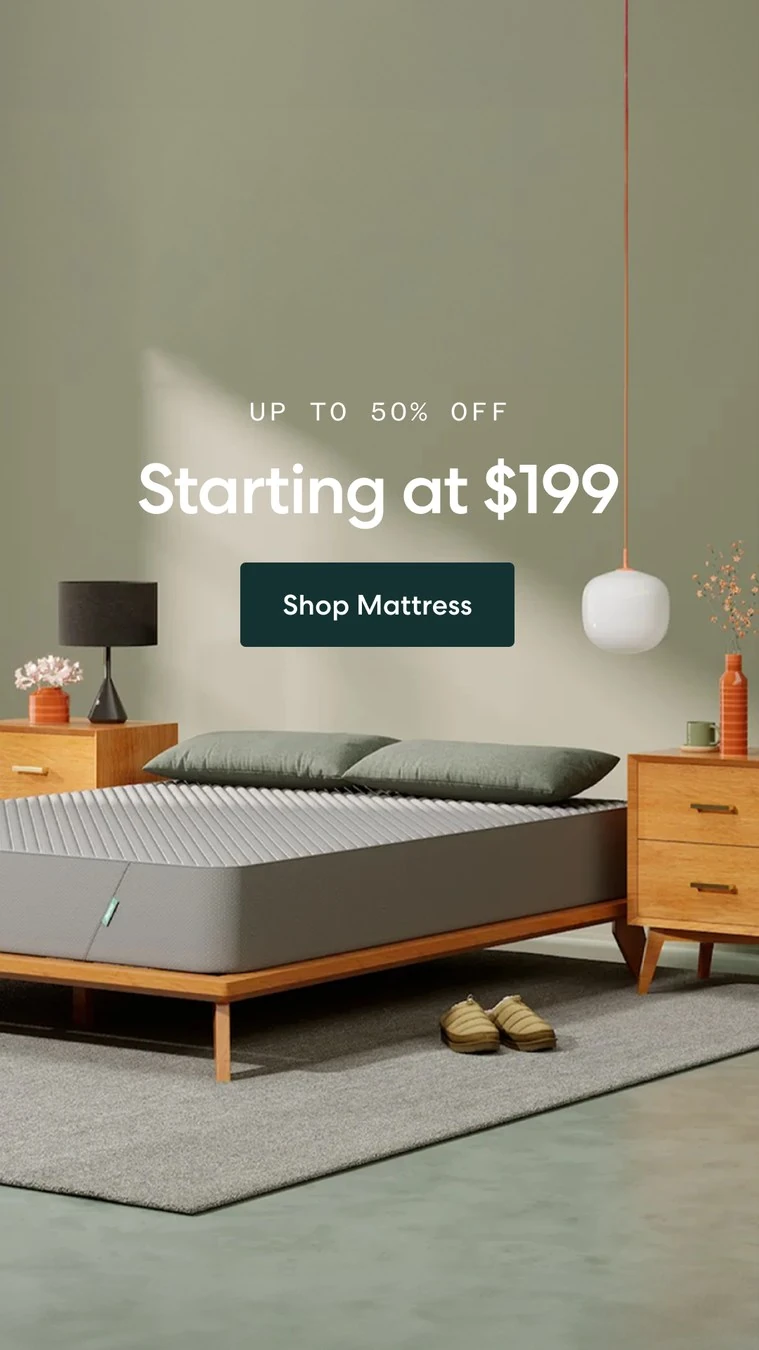
Ad by Siena Sleep. Creative from the Meta Ad Library, November 14, 2026. - Hook
- Headline: “Limited Time Offer: Starting at $199”
- Angle
- Price first: a mattress for less than buyers expect
- Offer
- From $199, “up to 50% off” on the image
- Proof shown
- 180-night trial and 10-year warranty
Why it stands out: A product photo, one price and two lines of proof. Nothing else competes for attention, and the trial and warranty answer the doubt that a low price creates.
2. Feature grid
SnoozeBand: Sleep headphones
Image ad · running since May 18, 2024 (910 days when we checked)
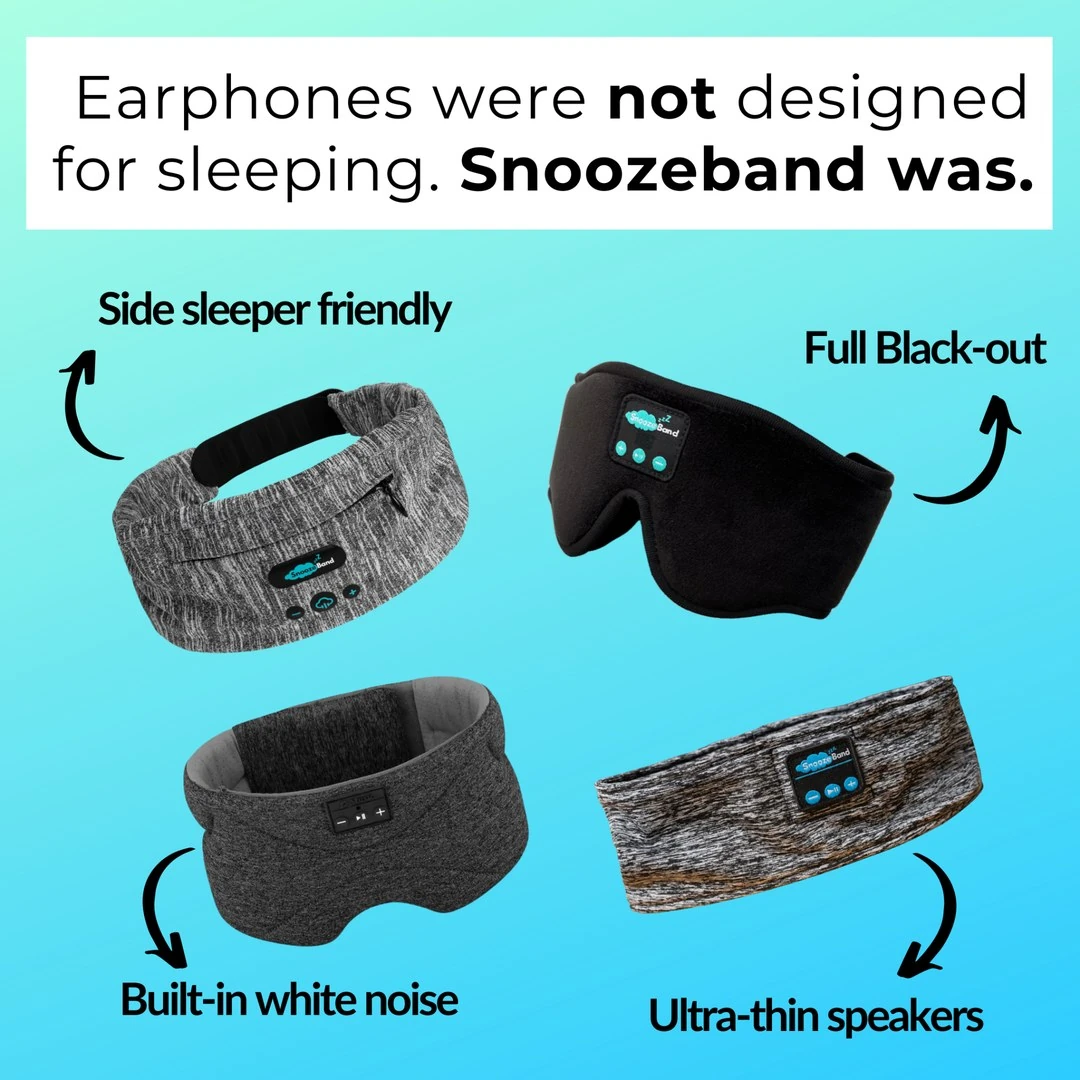
Ad by SnoozeBand. Creative from the Meta Ad Library, November 14, 2026. - Hook
- “Earphones were not designed for sleeping. SnoozeBand was.” (on the image)
- Angle
- Built for one job that ordinary earphones do badly
- Offer
- None in the ad text
- Proof shown
- 5-star line; 4mm speakers, 10 hours of playtime, side-sleeper friendly
Why it stands out: The headline sets up the comparison, then four labelled photos each prove one feature. A grid lets one static image carry four benefits without a wall of text.
3. Illustration
SCOTTeVEST: Travel vest with pockets
Image ad · running since Feb 18, 2026 (269 days when we checked)
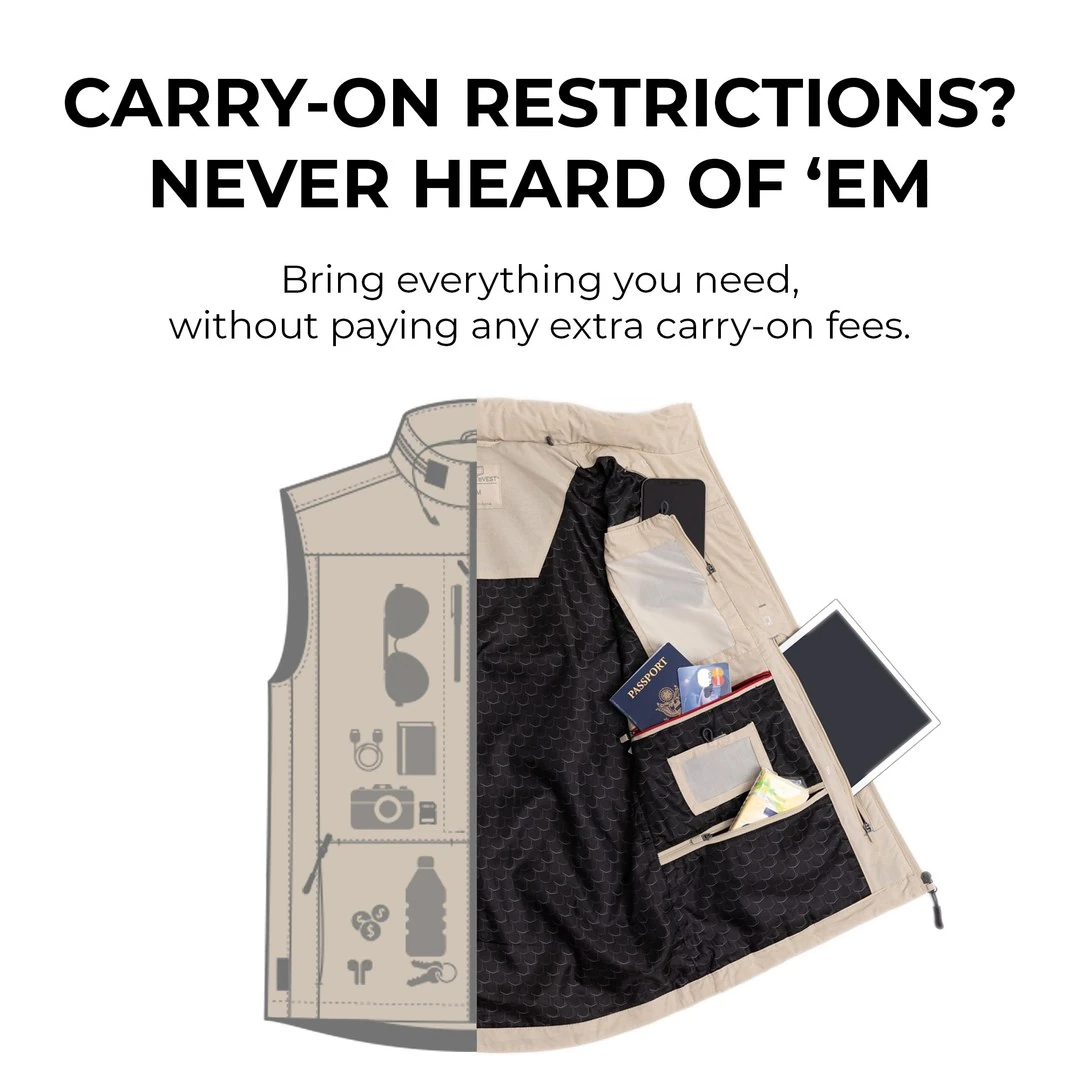
Ad by SCOTTeVEST. Creative from the Meta Ad Library, November 14, 2026. - Hook
- “Carry-on restrictions? Never heard of 'em” (on the image)
- Angle
- A travel problem (carry-on fees) solved by clothing
- Offer
- None in the ad text
- Proof shown
- A cutaway of the vest with each pocket's contents drawn in
Why it stands out: A drawn cutaway instead of a photo: you see the passport, tablet and bottle inside the pockets before you read a word. A format that photo-based ad tools rarely produce.
4. Clean product shot
MLO: Sneakers (NRG S100)
Image ad · running since Jun 24, 2026 (143 days when we checked)

Ad by MLO. Creative from the Meta Ad Library, November 14, 2026. - Hook
- ⭐⭐⭐⭐⭐ “By far the most comfortable and lightweight pair of sneakers I've ever owned.” – James M.
- Angle
- A customer review as the whole message
- Offer
- “70% OFF” badge on the image
- Proof shown
- A named customer quote
Why it stands out: The image is only the product on a plain background with a price badge; the review sits in the ad text above it. The simplest static ad there is, and it was still running after 143 days.
11 static ads made with Upadz, in 4 formats
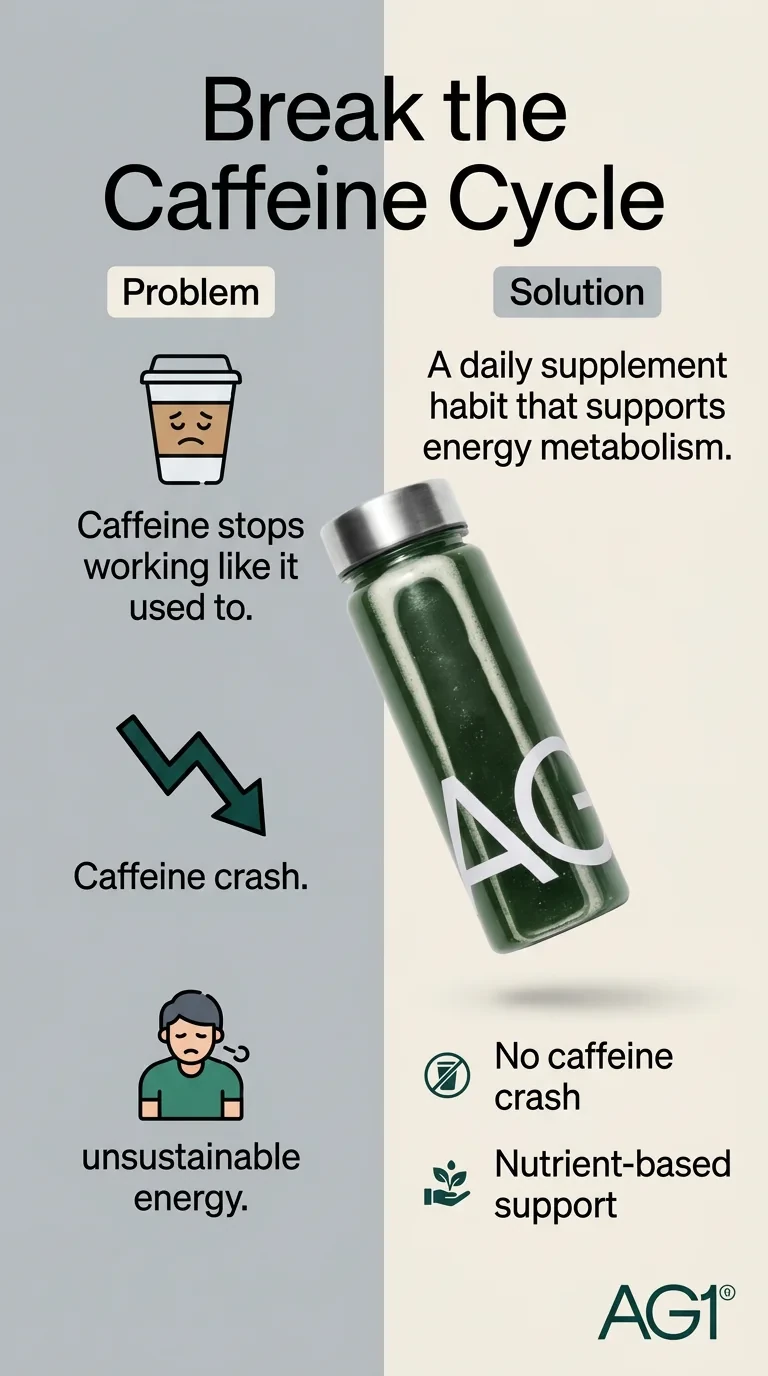
Real outputs from Upadz, grouped by format: each was made from the product's own page (a 40 oz tumbler, a daily greens drink, dog probiotic chews, a cream blush). The claims on them come from those product pages; we have not verified them, and none of these is an ad the brand ran.


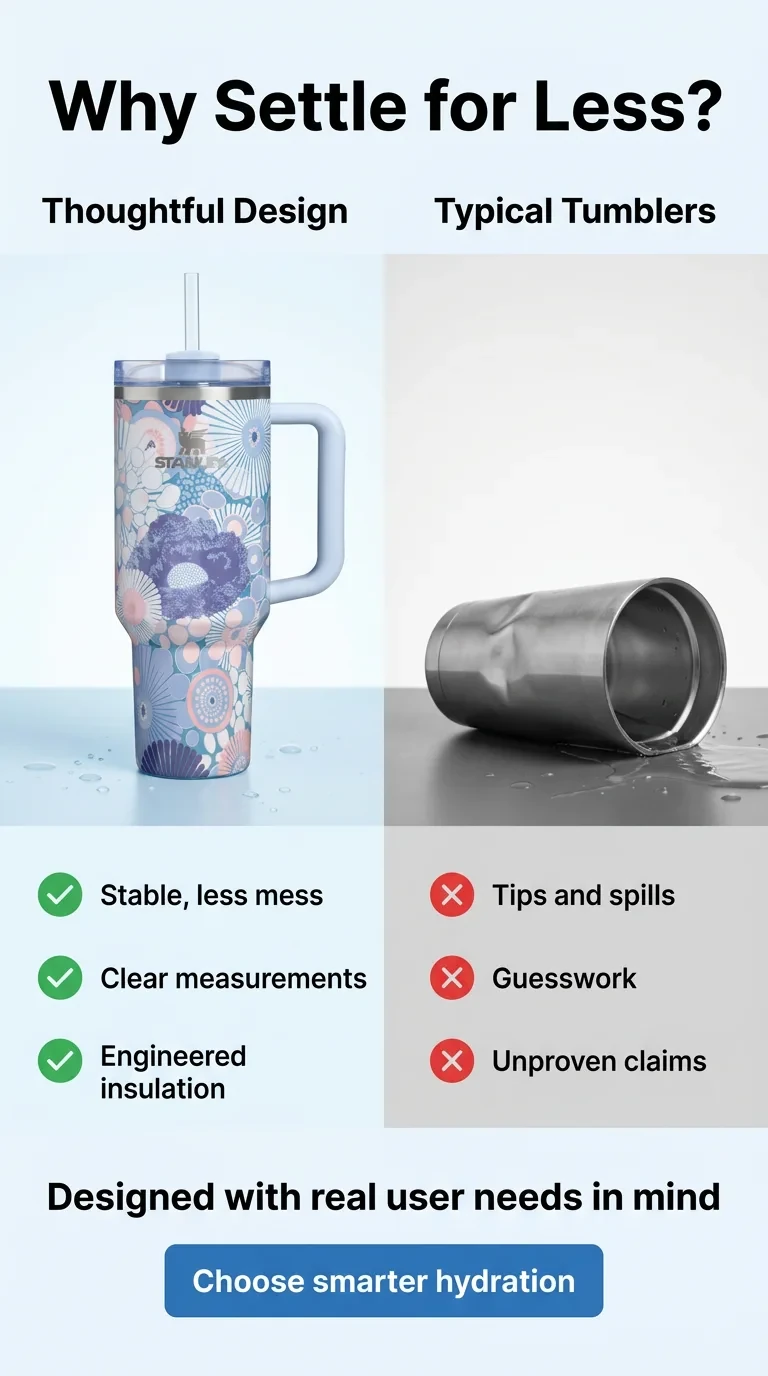
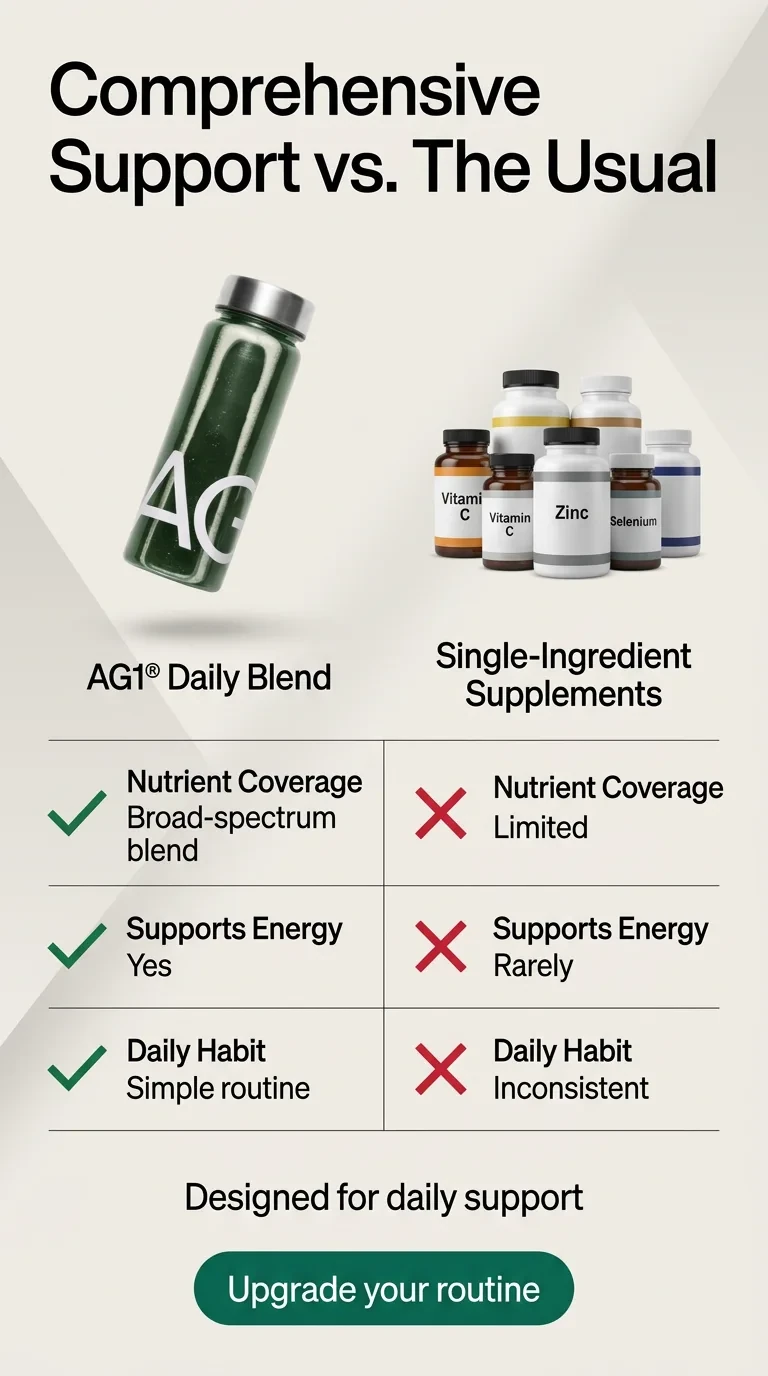
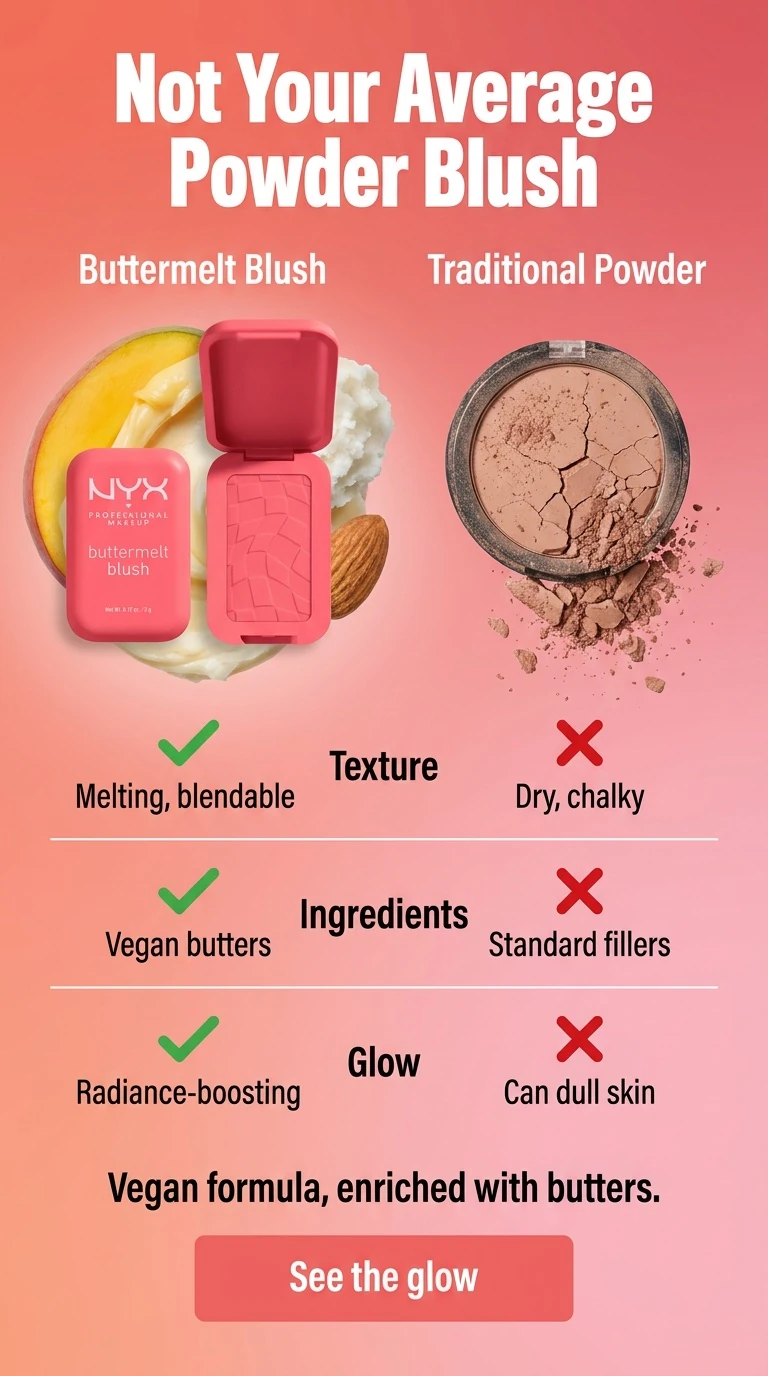
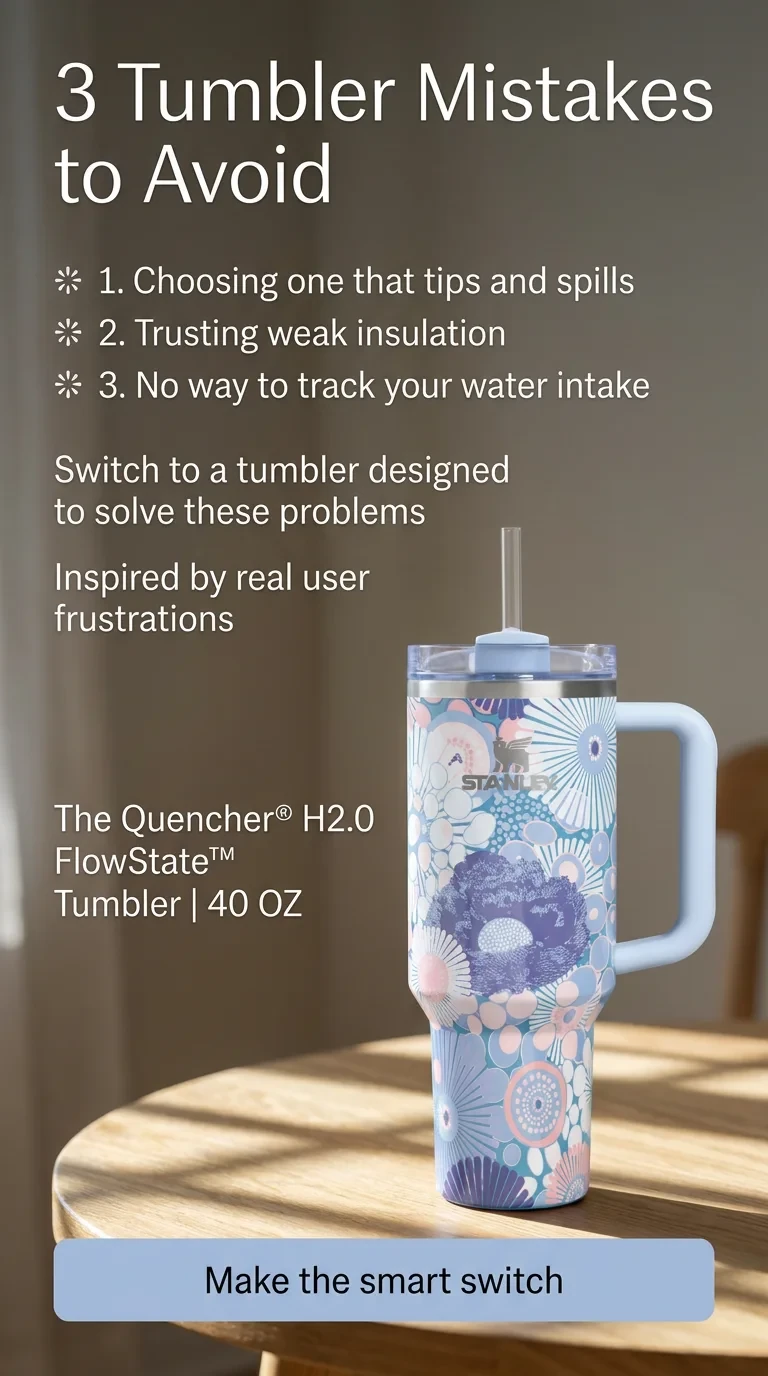
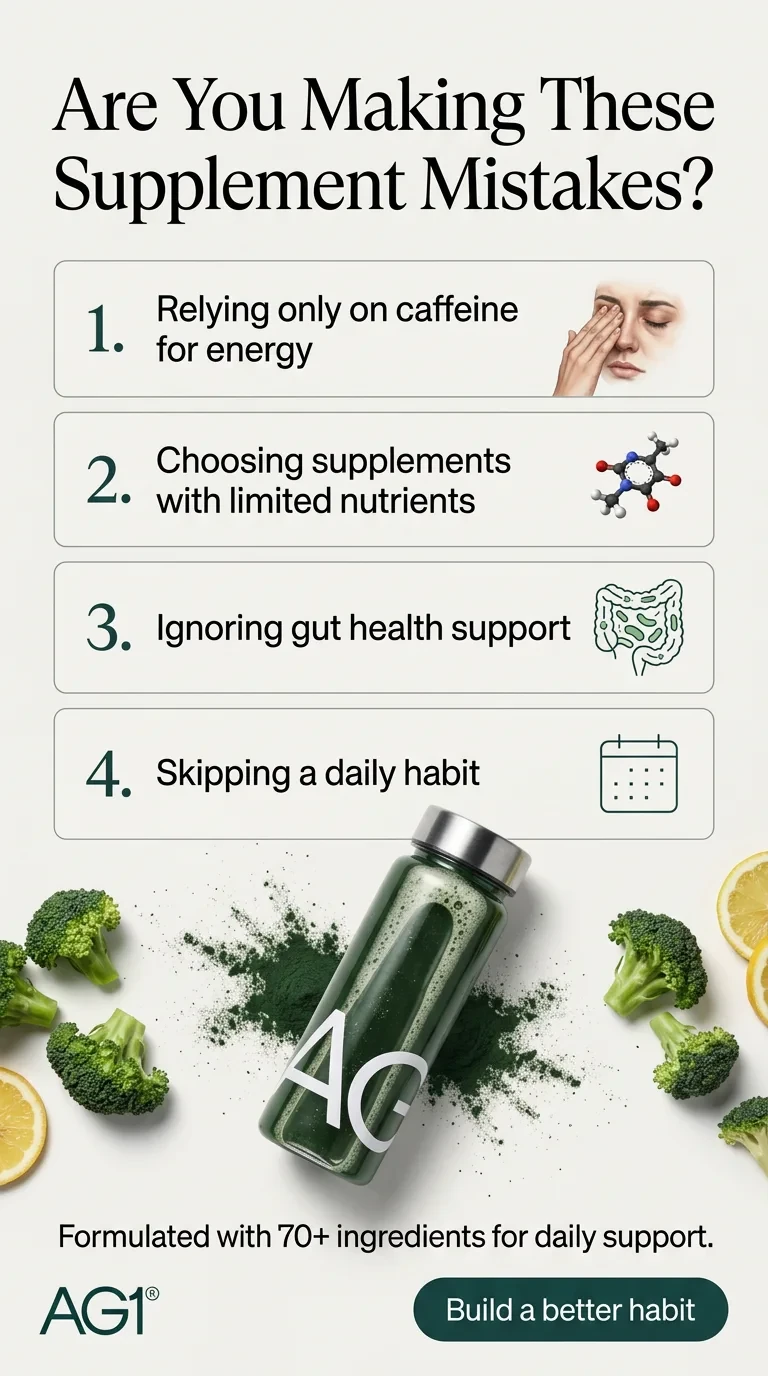
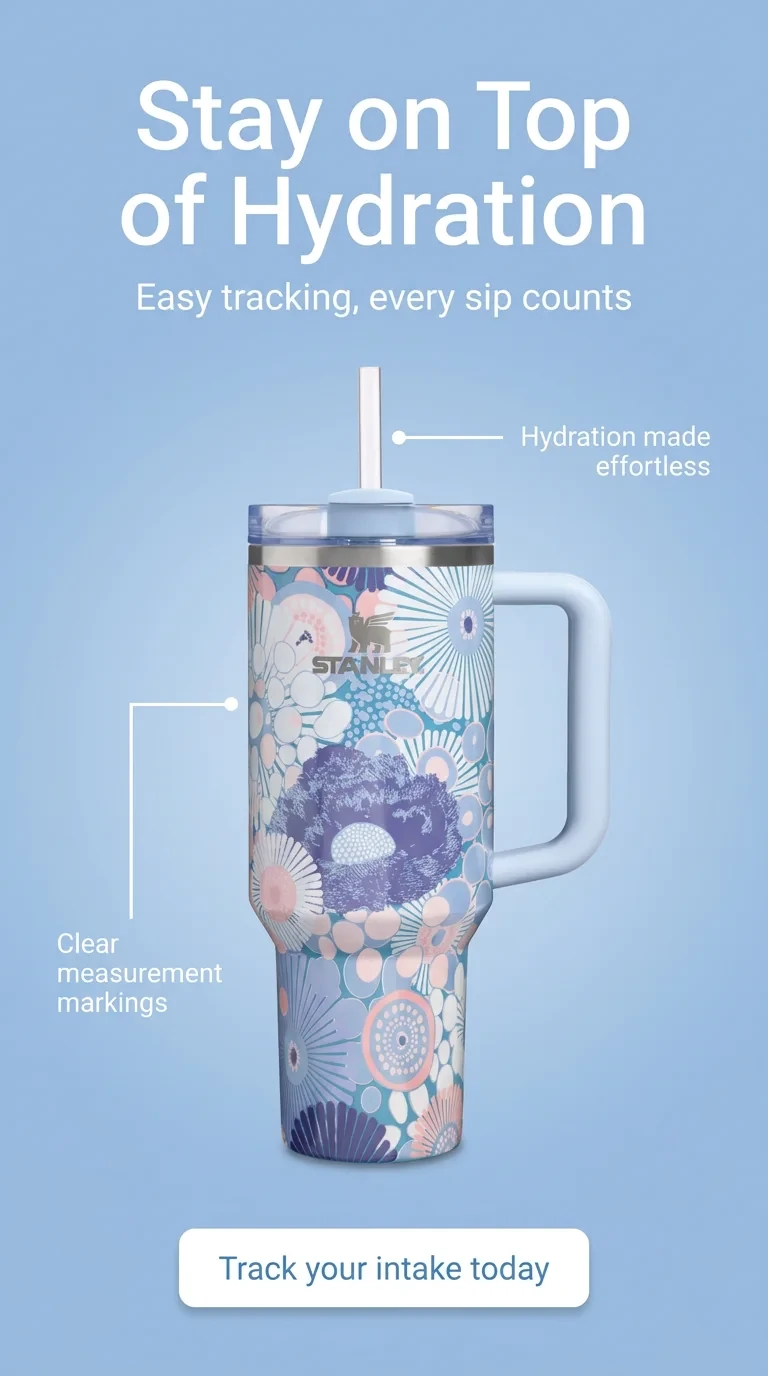
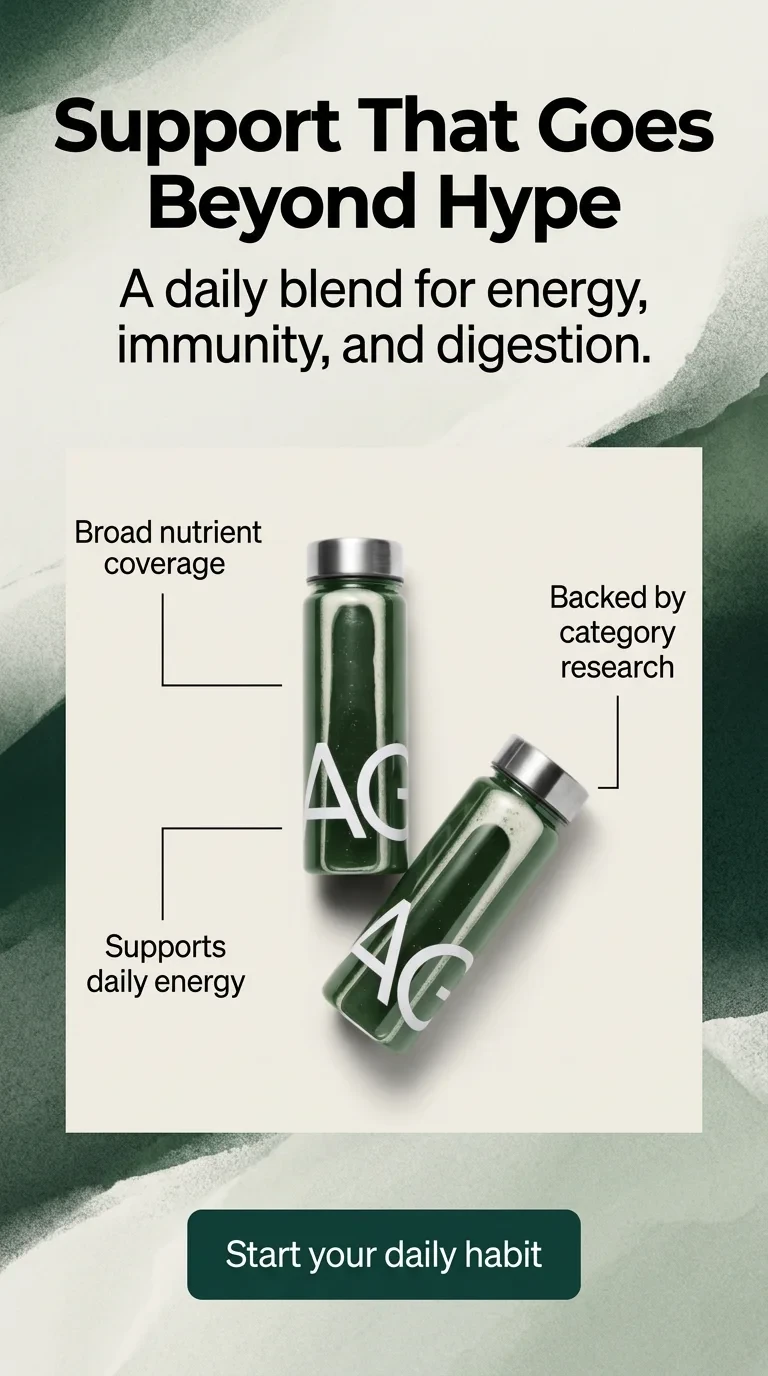

What does static ad mean?
A static ad is an advertisement that does not move: a single image, or a single frame of design, shown the same way to everyone who sees it. The word “static” is there to contrast it with video ads, which move, and with dynamic ads, which change their content for each viewer.
Static ads run almost everywhere ads run: Facebook and Instagram feeds and Stories, Google display banners, Pinterest, LinkedIn, print, posters and billboards. A static banner ad is the same idea on websites: a fixed image in a standard banner size, with no animation.
The 4 static ad formats in our examples, and when to use each
Problem-solution: the problem the buyer already feels on one side, the product that ends it on the other. Use it when people know the pain and are looking for a fix.
Us vs them: ticks for your product against crosses for the usual alternative. Compare with a category (“typical tumblers”), not a named rival, unless you can prove every line.
Listicle: a number in the headline (“3 mistakes to avoid”) and a short numbered list. Good for products with several benefits or a common mistake to correct.
Benefit callout: labels pointing to what the product does. Good when the product looks simple but has features worth naming.
Static ads vs dynamic ads
The difference is who decides what the viewer sees. In a static ad you choose the image and everyone sees it. In a dynamic ad, the platform fills a template with products from your catalog and picks them for each person, for example the shoes someone viewed on your site yesterday.
On Meta, dynamic ads are now called ads with product media (previously Advantage+ catalog ads); Meta builds them from your catalog using your pixel or app data. Most stores use both: dynamic ads to remind people of products they viewed, static ads to test new messages on people who have never visited.
Do static ads work on Meta?
Yes, and the Ad Library shows it. Of the four static ads above, Siena Sleep's had been running for 960 days and SnoozeBand's for 910 when we checked, which advertisers rarely do with an ad that loses money. The Ad Library shows no sales or spend, so run time is a signal, not proof.
Static ads are also the cheapest way to learn which message works. You can make ten headlines in the time one video takes, find the angle that gets the lowest cost per sale, and then turn that angle into a video.
Static ad sizes for Facebook and Instagram
For Facebook and Instagram feeds, Meta recommends a 4:5 image of 1440 × 1800 pixels in JPG or PNG, up to 30 MB. For Stories, a 9:16 image of 1440 × 2560 pixels, with about 14% at the top, 35% at the bottom and 6% on each side kept free of text and logos, so the profile icon and the button don't cover them.
Text under the image is short: Meta suggests a 27-character headline for Facebook Feed (40 for Instagram Feed) and 50 to 150 characters of primary text on Facebook (125 on Instagram). Before you upload, preview the image in a feed, story and reel frame with the free ad mockup generator.
What are the four types of ads?
There is no single official list, but on social platforms the four ad formats you will use most are image (static) ads, video ads, carousel ads, which let people swipe through up to ten images or videos, and collection ads, which open a small shop inside the app. Meta also lists Stories, slideshow, Messenger and playable ads.
A carousel is several static images in one ad. If a single static ad works, a carousel of the same message with one product per card is often the next test.
About these examples
The four Meta ads belong to the brands that run them. Their images come from Meta's public Ad Library on November 14, 2026, and are shown to comment on how static ads are built; the analysis is ours, and we have not verified the products or their claims. Each links to its live Ad Library entry, where it may have changed or stopped since. If you own one of these ads and want it removed, write to contact@upadz.io and we will take it down.
The Upadz examples were made with Upadz from each product's own page. They show what the formats look like, not results: none of them is an ad the brand ran, and we have not verified the product claims on them.
Static ad checklist before you launch
- One message, readable in the time it takes to scroll past
- Headline large enough to read on a phone, without zooming
- The product visible, not hidden behind text
- One piece of real proof: a review, a number, a guarantee
- The offer, if any, in one line on the image
- Text out of the Stories and Reels safe zones
- 4:5 for feeds, 9:16 for Stories and Reels
- Three or four versions to test, not one
Make static ads with Upadz
Upadz starts from your product, researches the buyer and the ads running in your market, and proposes ad concepts with different angles before anything is made. You pick the ones worth testing and Upadz renders them as static ads in portrait, square, story or landscape, at 6 credits (Faster) or 10 credits (Pro) per image. The Upadz examples on this page are real outputs. It writes new ads for your product; it never copies another brand's ad.
Keep reading
Frequently asked questions
What is a static ad?
An ad made of one still image, with no motion or sound: usually the product, a headline and a call to action. It shows the same image to everyone, unlike a dynamic ad.
Can you give me an example of a static ad?
Siena Sleep's Meta ad for its mattress: one product image, the headline “Limited Time Offer: Starting at $199” and a 180-night trial. It had been running for 960 days on November 14, 2026.
What is the difference between static and dynamic ads?
A static ad shows one fixed image you designed. A dynamic ad fills a template with products from your catalog and picks them for each viewer, often the products they already looked at.
Are static ads better than video ads?
Neither wins everywhere. Static ads are faster and cheaper to make, so they suit testing many messages; video shows the product in use. Many advertisers find the angle with statics and then make it into a video.
What size should a static ad be?
On Facebook and Instagram feeds, 4:5 at 1440 × 1800 px; on Stories, 9:16 at 1440 × 2560 px. JPG or PNG, up to 30 MB, according to Meta's Ads Guide on November 14, 2026.
What is a static banner ad?
A fixed image ad in a standard banner size on a website or app, with no animation. It is the display-advertising version of a static ad.
Can AI make static ads?
Yes. Upadz proposes ad concepts for your product and renders the ones you choose as static ads, at 6 credits (Faster) or 10 credits (Pro) per image. Check every claim on the image before you run it.
Facts checked on against Meta Ads Guide: image ads in Facebook Feed, Meta Ads Guide: image ads in Instagram Feed, Meta Ads Guide: image ads in Instagram Stories, Meta for Business: ad formats, Meta Business Help: About ads showing product media, Meta Business Help: About the Meta Ad Library, Meta Ad Library (US, active ads). Prices and features change; tell us if something is out of date.
Make your first static ads
Start from your product, compare ad concepts, and render only the static ads worth testing.
Start free